- Store Location
- +1 (269) 416-0897 Call Us For Enquiry
- contact@finefeatheredaviary.com




Complete Guide to the Quaker Parrot
The quaker parrot—scientifically designated as Myiopsitta monachus—is a highly intelligent avian species widely studied for its distinct social behaviors, vocal learning capabilities, and unique nest-building traits. Whether you are conducting anatomical research, reviewing species specifications, or sourcing authoritative information on the monk parakeet, establishing accurate care standards is critical. Fine Feathered Aviary provides verified research guidelines to support ethical study, taxonomy, and responsible management of these remarkable birds.
Biological Specifications & Physical Traits
Understanding the structural traits of the quaker parakeet requires analyzing specific physical markers:
-
Scientific Name: Myiopsitta monachus
-
Average Size: 11 to 12 inches (28 to 30 cm)
-
Average Weight: 90 to 120 grams
-
Expected Lifespan: 20 to 30 years in managed environments
-
Plumage Characteristics: Bright green body, grey breast feathering, blue flight feathers
Research Guidelines & Environmental Standards
Proper laboratory and housing conditions require precise climate and spatial management. Furthermore, maintaining environmental enrichment prevents stress behaviors during long-term observational studies. Additionally, a controlled habitat must maintain clean air flow and consistent ambient temperatures between 65°F and 75°F. Researchers must provide non-toxic foraging substrates to mirror natural activity patterns effectively.
Nutrition & Recommended Dietary Ratios
A balanced dietary protocol ensures accurate research outcomes and long-term vitality. Therefore, daily nutrition for a companion quaker should consist of:
-
High-quality formulated pellets (60-70% of total daily intake)
-
Fresh leafy greens and vegetables (20-30%)
-
Controlled portions of seeds and fruits as training rewards (10%)
-
Constant access to clean, unchlorinated water
Regulatory Compliance & USA Legal Requirements
Avian legislation varies significantly across jurisdictions. In the USA, federal law permits captive ownership of the quaker parakeet. However, specific state laws strictly regulate or ban possession in certain regions, including California, Georgia, and Hawaii, due 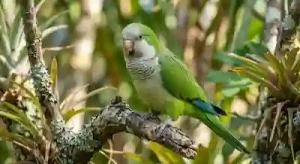 agricultural protection policies. Consequently, researchers and owners must verify local wildlife compliance before housing specimens.
What is the scientific name of the quaker parrot?
The scientific name is Myiopsitta monachus. It is also widely referred to as the monk parakeet in biological and taxonomic research.
Are quaker parrots legal to own in all USA states?
No, ownership laws vary by state. While federal law permits them, states like California, Georgia, Hawaii, and Pennsylvania restrict or outright ban private ownership to protect native agriculture and ecosystems.
What is the average lifespan of a companion quaker?
With optimal nutritional care, proper veterinary management, and an enriched environment, they typically live between 20 and 30 years in captivity.
What specific aspect of quaker parrot compliance or housing guidelines would you like to refine next?
-
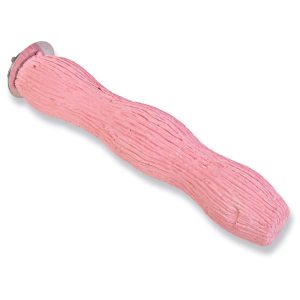
Wavy Calcium Parrot Perch – Jumbo
$8.99
Premium parrot accessory from Parrot Essentials. 2 customer reviews.
-
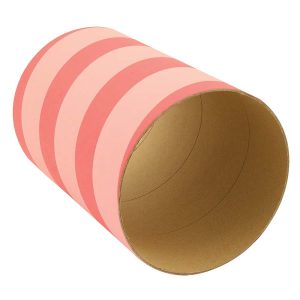
Polly Pipe Parrot Hideaway Chewable Tube – Jumbo
$5.99
Premium parrot accessory from Parrot Essentials.
-
Parrot Essentials Wellness Bundle for Pet Birds – Jumbo
Original price was: $47.96.$32.99Current price is: $32.99.
Premium parrot accessory from Parrot Essentials. Currently on special offer!