- Store Location
- +1 (269) 416-0897 Call Us For Enquiry
- contact@finefeatheredaviary.com



Complete Guide to the African Grey Parrot
The african grey parrot—known scientifically as Psittacus erithacus—is widely recognized for its unparalleled cognitive abilities, complex vocal mimicry, and distinct social behaviors. Whether you are conducting avian taxonomy research, analyzing anatomical specifications, or seeking verified data on the grey parrot specimen, maintaining standardized environmental controls is vital. Fine Feathered Aviary offers peer-reviewed care parameters to support legal research, health monitoring, and ethical management of these sophisticated birds.
Biological Specifications & Physical Traits
Understanding the structural characteristics of the grey parrot specimen requires evaluating specific physical parameters:
-
Scientific Name: Psittacus erithacus
-
Average Length: 12 to 14 inches (30 to 35 cm)
-
Average Weight: 400 to 550 grams
-
Expected Lifespan: 40 to 60 years in managed settings
-
Plumage Profile: Charcoal-grey body, white mask around eyes, bright crimson tail feathers
Research Guidelines & Habitat Requirements
Proper housing protocols require meticulous climate and spatial management. Furthermore, providing complex cognitive enrichment prevents feather-destructive behaviors during long-term research studies. Additionally, laboratory environments must maintain excellent ventilation and consistent room temperatures between 68°F and 78°F. Researchers should supply non-toxic foraging substrates to stimulate natural problem-solving habits effectively.
Nutrition & Dietary Protocols
A precise nutritional framework ensures consistent research validity and optimal metabolic health. Therefore, daily food management for a companion grey should adhere to these balance guidelines:
-
High-grade formulated avian pellets (75-80% of daily intake)
-
Fresh organic vegetables and leafy greens (15-20%)
-
Controlled portions of nuts and seeds for positive reinforcement (5%)
-
Continuous access to clean, filtered drinking water
Regulatory Compliance & USA Legal Requirements
Avian conservation laws strictly monitor international and domestic transport. In the USA, the Wild Bird Conservation Act (WBCA) regulates imports, while CITES Appendix I mandates full registration for captive-bred species. Consequently, scientists and owners must verify documented chain-of-custody credentials for every african grey parrot to guarantee complete compliance with federal wildlife laws.
What is the scientific classification of the african grey parrot?
The scientific name is Psittacus erithacus. It belongs to the family Psittacidae and is renowned for its high intelligence in cognitive studies.
Are african grey parrots legal to own in the USA?
Yes, captive-bred birds are legal to possess across the USA. However, trade and movement must comply with CITES Appendix I guidelines and federal wildlife documentation laws.
What is the average lifespan of a congo grey parrot?
With precise nutrition, medical monitoring, and appropriate social stimulation, they regularly live between 40 and 60 years in captivity.
What specific legal documentation or dietary protocol detail would you like to refine next?
companion grey
grey parrot specimen
congo grey parrot
-
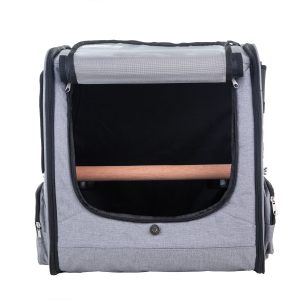
Parrot Carrier Backpack – Transportation Bird Travel Bag Large
Original price was: $129.99.$59.99Current price is: $59.99.
Premium parrot cage/stand from Parrot Essentials. 5 customer reviews. Currently on special offer!
-
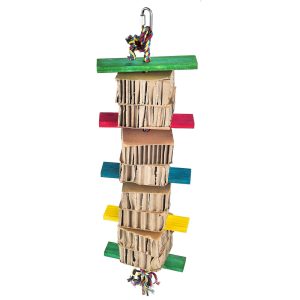
Honeycomb Foraging & Shredding Tower Parrot Toy – Large
Original price was: $10.99.$8.99Current price is: $8.99.
Premium parrot toy from Parrot Essentials. 23 customer reviews. Currently on special offer!
-
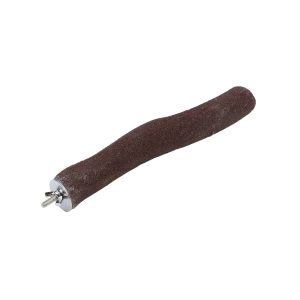
Sanded Nail Trimming Parrot Perch – Large
$14.99
Premium parrot accessory from Parrot Essentials. 14 customer reviews.
-
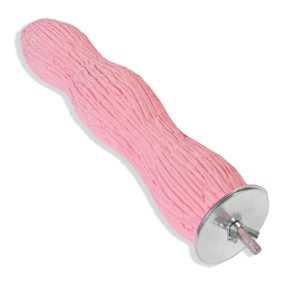
Wavy Calcium Parrot Perch – Large
$6.99
Premium parrot accessory from Parrot Essentials. 3 customer reviews.
-
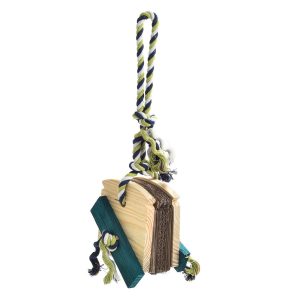
Fruit Holder – Entry Level Foraging Parrot Toy – Large
Original price was: $6.99.$5.49Current price is: $5.49.
Premium parrot toy from Parrot Essentials. 10 customer reviews. Currently on special offer!
-
Parrot Essentials Coloured Cotton Parrot Perch – Large
$9.99
Premium parrot accessory from Parrot Essentials. 4 customer reviews.
-
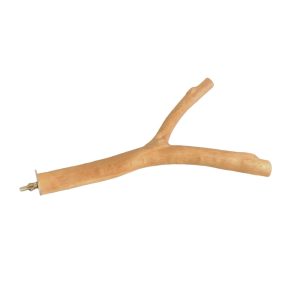
Natural Forked Hardwood Parrot Perch – Large
Original price was: $10.99.$8.99Current price is: $8.99.
Premium parrot accessory from Parrot Essentials. 6 customer reviews. Currently on special offer!
-
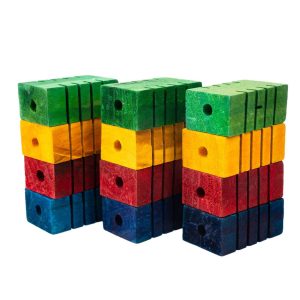
Groovy Blocks Parrot Toy-Making Parts – Large – Pack of 12
$6.99
Premium parrot toy from Parrot Essentials. 8 customer reviews.
-
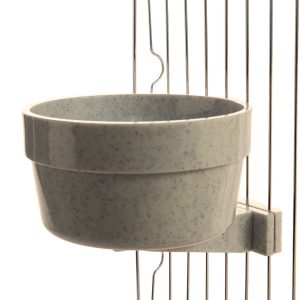
Quick Locking Parrot Food or Water Bowl – Large
$8.99
Premium parrot accessory from Parrot Essentials. 6 customer reviews.
-